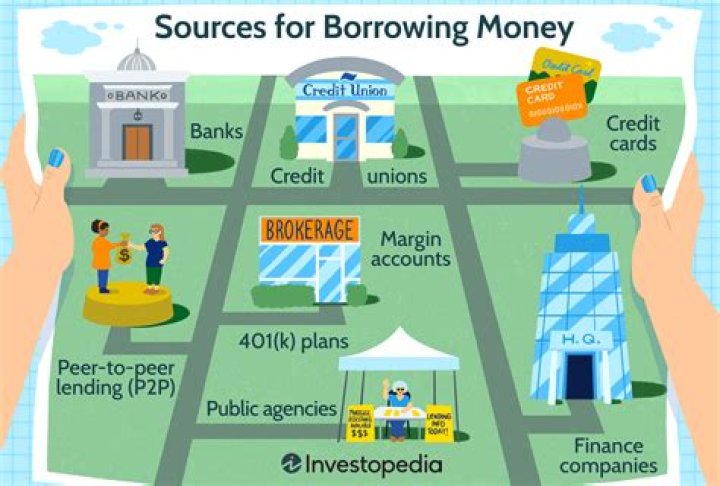
The bank pays you interest on the money that you deposit and leave in that account. The bank then loans that money out to other people, only they charge a slightly higher interest rate on the loan than what they pay you for your account.
How long does money have to stay in savings account?
How much cash to keep in savings: Experts generally recommended keeping three to six months’ worth of living expenses in your emergency savings fund. Once your savings account holds that amount, consider opening an additional retirement account or increasing your contributions to existing retirement funds.
Is it safe to leave money in savings account?
Savings accounts are a safe place to keep your money because all deposits made by consumers are guaranteed by the FDIC for bank accounts or the NCUA for credit union accounts. Certificates of deposit (CDs) issued by banks and credit unions also carry deposit insurance.
How much cash should I have in savings?
Most financial experts end up suggesting you need a cash stash equal to six months of expenses: If you need $5,000 to survive every month, save $30,000. If you don’t have an emergency fund, you should probably create one before putting your financial goals/savings money toward retirement or other goals.
What will $200000 be worth in 20 years?
How much will an investment of $200,000 be worth in the future? At the end of 20 years, your savings will have grown to $641,427.
What happens if savings account goes dormant for 12 months?
If your current/savings account does not witness any transaction over a period of 12 months, it gets classified as inactive account. Thereafter, if such account continues to remain inactive for another 12 months, it is reclassified as dormant account. Transactions considered for re-classifying accounts.
How often can you take money out of your savings account?
Federal Reserve Board Regulation D is a federal law that says you can’t make more than six withdrawals or transfers per month out of your savings account. The same rules also apply to money market accounts. You may never have noticed this regulation because you probably try not to touch your savings too often.
When does a savings account become an inactive account?
Thereafter, if such account continues to remain inactive for another 12 months, it is reclassified as dormant account. If your current/savings account does not witness any transaction over a period of 12 months, it gets classified as inactive account.
What happens if you tap your savings 6 times in a month?
But if you ever have a month where you need to tap your savings more than six times, you might face a penalty. Your bank could decide to charge you a fee or—if you regularly have more than six such transactions a month—your bank could even close your account or turn it into a checking account.